
Why Choose a Designer?
Choosing a residential design professional over a traditional architect can offer several appealing benefits, especially for homeowners focused on efficiency, cost, and personalization. Let's dive into some of these advantages!
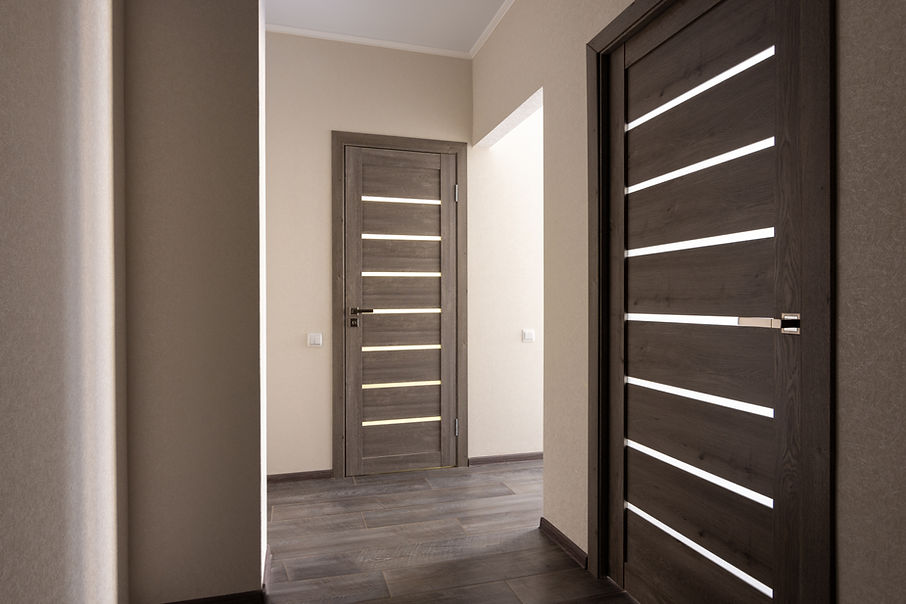
Pros of Using a Residential Design Professional:
Cost-Effective Solutions
Residential design professionals often have lower fees compared to architects, making them a
budget-friendly option. They provide practical designs that avoid unnecessary complexities, which can help save on construction costs.
Specialized Expertise
These professionals specialize in residential projects, offering deep insights into home design, interior layouts, and personalized spaces. They are adept at integrating lifestyle needs and preferences into
the design process, ensuring a home that truly reflects the homeowner's vision.
Efficiency and Flexibility
With a focus on residential projects, these professionals can often complete designs more quickly and adapt to changes smoothly. They can be more flexible with meeting times and project adjustments, which can be crucial for busy homeowners.
Personalized Attention
Homeowners often receive more one-on-one attention, leading to a more collaborative and enjoyable design process. This personalized approach can result in unique, tailor-made designs that stand out. A residential design professional is an expert who specializes in designing homes, from initial concepts and layouts to detailed plans ready for construction. They focus on both the aesthetics and
functionality of living spaces, working closely with homeowners to turn ideas and needs into practical, beautiful, and safe home designs.

Key Responsibilities of a Residential Design Professional
-
Understanding client needs: They listen carefully to your goals, style preferences, and how you want to use your space.
-
Designing interiors and exteriors: They plan layouts, flow between rooms, and even the look of the outside of your home—not just what's inside.
-
Ensuring safety and function: Their designs meet building codes and emphasize both comfort and safety.
-
Customizing plans: They adjust designs to fit your budget, materials choices, and lifestyle.
-
Preparing construction-ready plans: They create detailed documents that builders can use to bring your project to life.
Some residential design professionals also help source materials or even manage parts of the
construction process, making sure everything goes smoothly and matches the original vision.